Hembrug
Residency at HET HEM (NL)
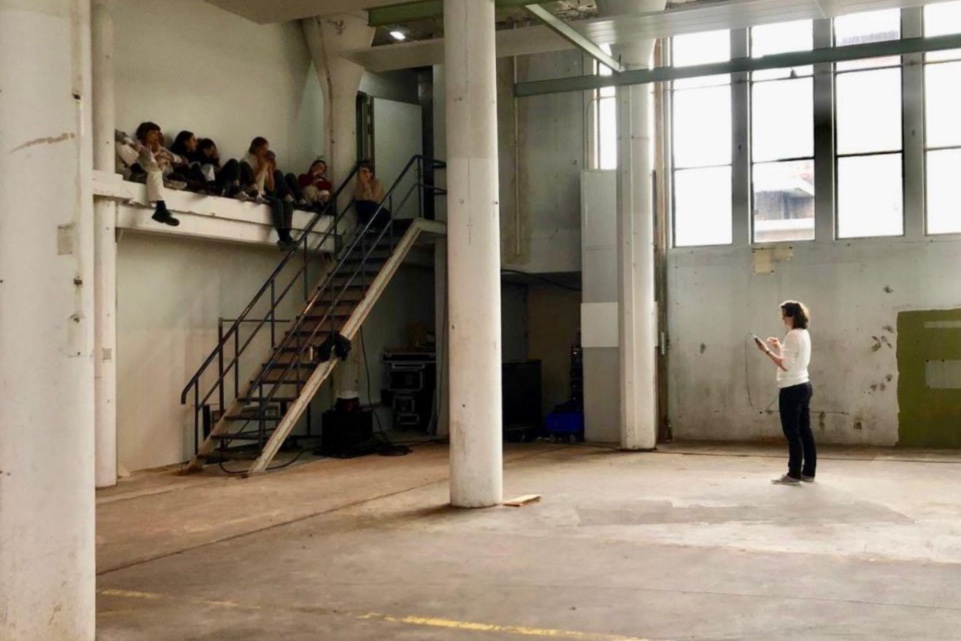
From September 11, 2019 through December 21, 2019, we lived and worked at Het HEM, a cultural institution in Zaandam, Netherlands. Het Hem is located in the former 0,50 caliber bullets factory on the ex-military Hembrug terrain. Although the building was built in 1956, the company that occupied it, Artillerie Inrichtingen, also known as AI, had been supplying weapons for Dutch colonialism since 1679. In 1973, AI split, and the 0,50 factory became property of the new company EuroMetaal.
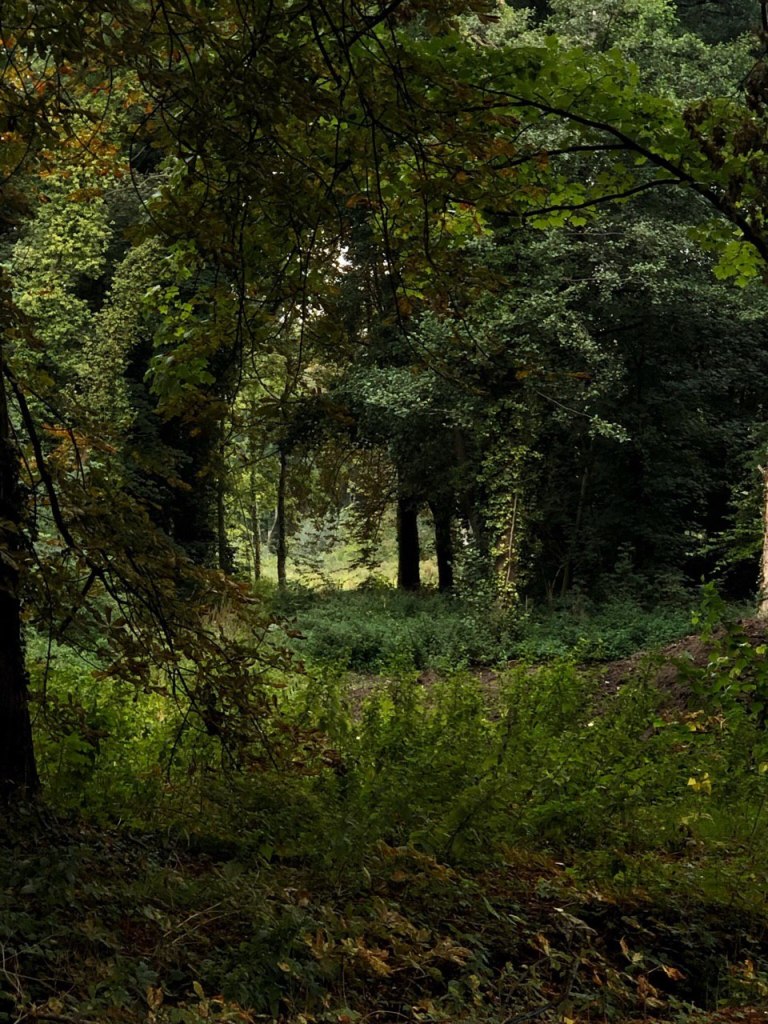
EuroMetaal continued to use the Shock Forest for weapons and ammunition testing. The Forest was specifically designed and planted to withstand explosions. For half a century, it both insulated the sound of explosive tests and hid military activity from view. By studying the terrain, excavating the man-made myths and clay histories that make up the Forest’s foundation, we have hoped to give voice to the trees, waves, soil and herons that have lived alongside industrialization and militarization in the terrain for decades.
On November 21, 2019, the day before the 340th anniversary of EuroMetaal, our exhibition No Camouflage opened at Het HEM. The exhibition was a milestone in our artistic research to uncover the truth behind the opacity of what was on this terrain and what is. It’s an investigation into the duality that emerges over time, into monument and legality as a paternalistic form of environmental protection, into activism and labor and how they might shape our society today.
Our work has been an ongoing experiment in presence. If traditional research works in a manner akin to traditional music concerts, with categories defined a priori, scores set with pre-ordered patterns and clear end goals, we work more like a free dance of improvisation, excavating a polyphony of truths, and listening to the reverb resonate within and through traces of the building’s past.
Immersion into this hyperlocal environment has opened our eyes to what it means to work in a collective, to allow for cycles of emergence in former spaces of monodirectional production. We have shown that our process is not only a part of our ongoing work, but also its essence. We have let our voices emerge organically, and we have seen them grow both collectively and individually. We have sought to learn how to incorporate ourselves with the light and violence that surrounds us. We hope that those who follow in our footsteps will do the same.
More information about the residency can be found on Het Hem’s website.
A complete archive of our research can be found here.
An overview of all our work can be found here.
 Axel Coumans